.jpeg?width=50&name=Media%20(4).jpeg)
Running a small healthcare practice or financial firm comes with unique challenges—limited budgets,...
Cybersecurity on a Budget: What Small Businesses Should Prioritize
Many small businesses believe effective cybersecurity requires a large budget. While enterprise level security tools can be expensive, strong cybersecurity does not have to be out of reach. The key is knowing what to prioritize when resources are limited.
Cybercriminals often target small businesses because they assume security measures are weak or nonexistent. By focusing on the most critical areas, small businesses can significantly reduce their risk without overspending.
- Secure Business Email First: Email is the most common entry point for cyber attacks, including phishing, malware, and business email compromise (BEC).
Why it matters: A single malicious email can lead to data loss or financial fraud.
Priority action: Invest in reliable email security that filters malicious messages before they reach employees.
- Employee Cybersecurity Awareness: Even the best security tools can fail if employees are unaware of cyber risks.
Why it matters: Human error is one of the leading causes of data breaches.
Priority action: Provide basic cybersecurity training focused on recognizing phishing emails and suspicious behavior.
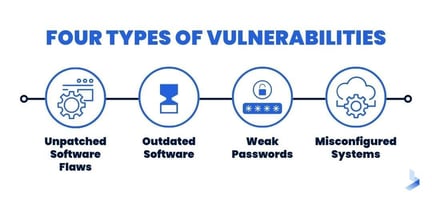
- Strong Passwords and Multi-Factor Authentication (MFA): Weak passwords are an easy way for attackers to gain access to systems.
Why it matters: Compromised credentials can lead to unauthorized access and data theft.
Priority action: Enforce strong password policies and enable MFA on critical systems and email accounts.
- Regular Software Updates: Outdated software often contains known vulnerabilities that attackers can exploit.
Why it matters: Many cyber attacks succeed simply because systems were not updated.
Priority action: Enable automatic updates for operating systems, applications, and security tools.
- Basic Endpoint Protection: Every device connected to the business network is a potential entry point for attackers.
Why it matters: Unprotected devices can be infected with malware or ransomware.
Priority action: Install reputable antivirus or endpoint protection software on all business devices.
- Data Backup and Recovery: Data loss can occur due to cyber attacks, system failures, or human error.
Why it matters: Without backups, businesses may permanently lose critical data.
Priority action: Implement regular backups and ensure data can be restored when needed.
- Limit User Access: Not every employee needs access to all systems and data.
Why it matters: Excessive access increases the potential damage of a compromised account.
Priority action: Apply the principle of least privilege by granting only necessary access.
Conclusion
Cybersecurity does not have to be expensive to be effective. By prioritizing essential protections such as email security, employee awareness, and basic system hygiene, small businesses can build a strong security foundation, even on a limited budget.
ShieldForce provides cost effective cybersecurity solutions designed specifically for small businesses, helping them stay protected without unnecessary complexity or expense.
Smart cybersecurity investments today can prevent costly incidents tomorrow.